
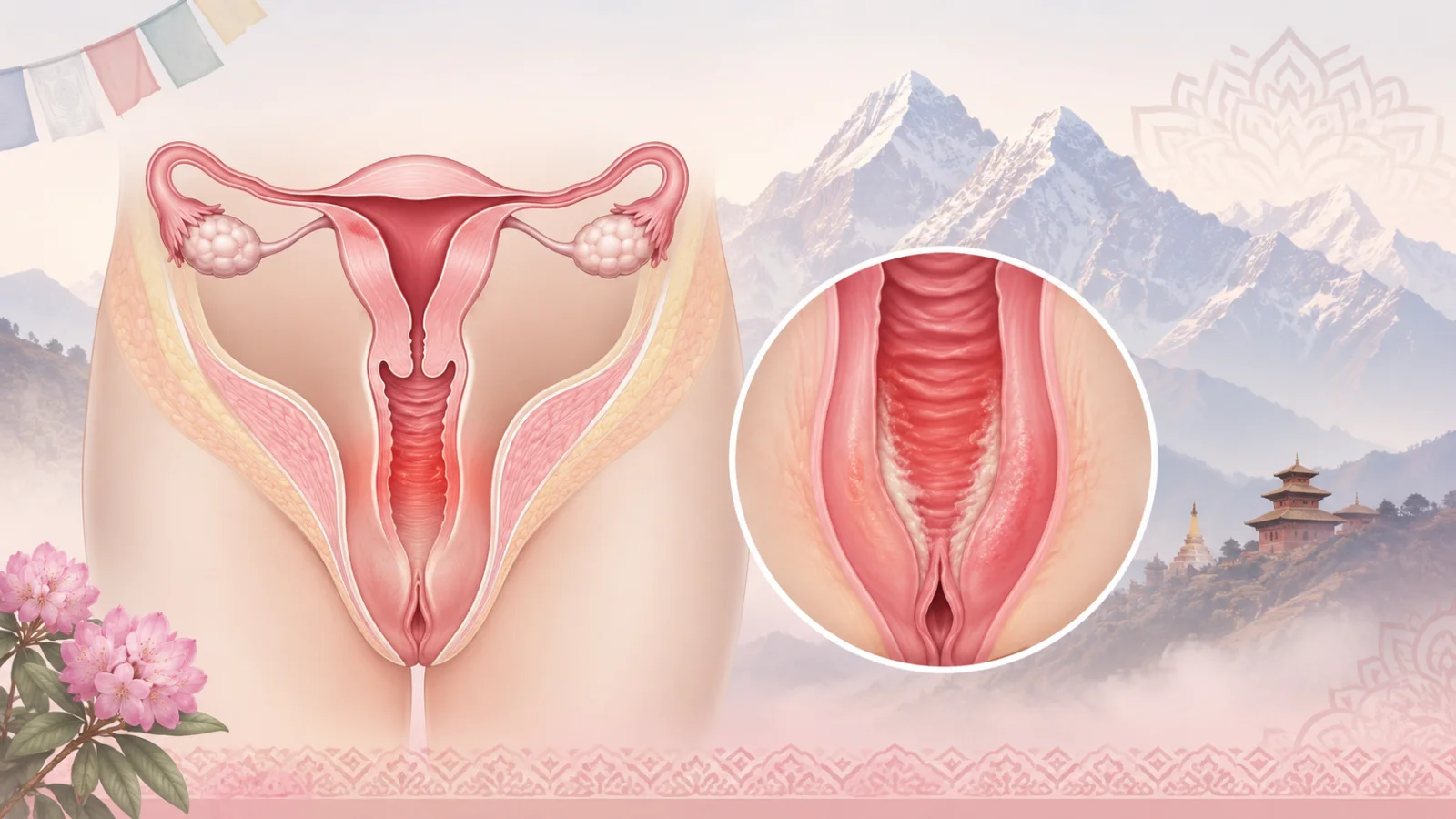
Vaginitis
Vaginitis means inflammation or irritation of the vagina, often also affecting the surrounding vulva. It can cause unusual discharge, itching, soreness, burning or pain. Common causes include bacterial vaginosis, vaginal thrush, trichomoniasis, irritation from products, hormonal dryness and some skin conditions. Some causes are sexually transmitted, but many are not.
Symptoms alone cannot reliably identify the cause. Using the wrong antifungal, antibiotic or vaginal product may delay correct treatment or worsen irritation, so new, persistent or recurrent symptoms should be assessed.
Symptoms
Possible symptoms include:
Vaginal or vulval itching, soreness, burning or swelling
Discharge that is different from usual in colour, smell, amount or thickness
Vaginal dryness
Pain or stinging when passing urine
Pain or discomfort during sex
Light bleeding or spotting
Red, swollen, cracked or irritated skin around the vaginal opening
An unpleasant or fish-like smell
Lower abdominal or pelvic discomfort
Different causes may produce different patterns:
Vaginal thrush: often causes marked itching, soreness and thick white discharge, although discharge may be absent.
Bacterial vaginosis: commonly causes thin grey or white discharge with a fish-like smell and may cause little itching. It results from an imbalance in the normal vaginal bacteria and is not simply caused by poor hygiene.
Trichomoniasis: may cause genital soreness, burning and clear, white, yellowish or greenish discharge, sometimes with an unpleasant smell. It is a sexually transmitted infection.
Hormonal dryness: may cause dryness, burning, discomfort during sex and recurrent urinary symptoms, particularly around or after menopause.
Irritation or allergy: soaps, scented products, antiseptics, detergents, pads, tight clothing or repeated washing may irritate the vulva and vagina.
Normal vaginal discharge can change during the menstrual cycle, pregnancy or sexual arousal. A change is more concerning when accompanied by smell, itching, pain, bleeding or urinary symptoms.
Red flags

Seek urgent medical assessment if vaginitis symptoms occur with:
Severe or worsening lower abdominal or pelvic pain
High fever, shivering, repeated vomiting or feeling seriously unwell
Fainting, severe dizziness, confusion or marked weakness
Heavy vaginal bleeding or passing large blood clots
Pregnancy with pelvic pain, bleeding, fever or feeling unwell
A positive pregnancy test with one-sided pain, shoulder-tip pain, dizziness or fainting
Severe swelling, rapidly spreading redness, blisters, ulcers or blackened skin around the genitals
Inability to pass urine
Arrange prompt assessment if:
Discharge is accompanied by pelvic pain, pain during sex or bleeding between periods or after sex
Symptoms began after unprotected sex or with a new sexual partner
There are genital sores, ulcers or blisters
Symptoms repeatedly return or do not improve after treatment
You are pregnant, recently gave birth or have recently had a gynaecological procedure
You have diabetes, weakened immunity or use medicines that suppress the immune system
Symptoms occur in a child
There is concern about sexual harm, coercion or abuse
Pelvic pain, fever and abnormal discharge may indicate pelvic inflammatory disease rather than vaginitis alone and require timely treatment.
Self-care
Vaginitis should not automatically be treated at home because several conditions cause similar symptoms. While arranging assessment, you can reduce irritation by:
Washing the outer genital area gently with water or an unscented soap substitute
Drying the area by patting rather than rubbing
Wearing loose, breathable cotton underwear
Changing out of wet or sweaty clothing promptly
Avoiding scented soaps, vaginal washes, antiseptics, deodorants, bubble baths and perfumed pads
Avoiding vaginal douching or inserting herbal products, yoghurt, chemicals or home remedies
Using an unscented lubricant during sex if dryness is contributing
Avoiding sex if it is painful or if an infection may be passed to a partner
Using condoms until an STI has been excluded or treatment has been completed, where appropriate
Keeping a record of discharge, smell, itching, pain, bleeding, menstrual dates and recent medicines
Do not repeatedly use antifungal treatment just because symptoms seem like thrush. Bacterial vaginosis, trichomoniasis, skin disease and irritation can cause overlapping symptoms, and recurrent symptoms may require examination and testing.
Do not use leftover antibiotics. Antibiotics may be ineffective for the actual cause and can contribute to side effects and antimicrobial resistance.
Treatment

Treatment depends on the underlying cause.
A healthcare professional may ask about symptoms, menstrual history, pregnancy possibility, sexual history, recent antibiotics, diabetes, hygiene products and previous episodes. They may examine the vulva and vagina and take a vaginal swab or other samples. Urine testing, pregnancy testing or STI testing may also be arranged.
Possible treatments include:
Vaginal thrush: antifungal treatment may be used when candidiasis is confirmed or strongly suspected. Recurrent, severe or unusual cases may require testing and a longer or different treatment plan.
Bacterial vaginosis: antibiotic treatment may be prescribed. Assessment is particularly important during pregnancy because BV may be associated with pregnancy complications.
Trichomoniasis: requires specific antimicrobial treatment. Sexual partners may also need assessment and treatment to prevent reinfection.
Other sexually transmitted infections: chlamydia, gonorrhoea or other infections require testing and appropriate treatment.
Hormonal dryness: vaginal moisturisers, lubricants or prescribed local hormonal treatment may be considered after assessment.
Irritant or allergic vaginitis: stopping the triggering product and protecting the skin may be sufficient; persistent inflammation may need prescribed treatment.
Skin conditions: eczema, lichen sclerosus and other vulval conditions require specific treatment and sometimes specialist review.
Foreign body: a retained tampon or other object must be removed safely by a healthcare professional if it cannot be easily removed.
Nepal's national STI guidance uses a syndromic approach for vaginal discharge where laboratory testing is not immediately available. However, examination and targeted testing remain valuable when symptoms are recurrent, severe, associated with pelvic pain, or do not improve after initial treatment.
Questions to ask your doctor
What is the most likely cause of my symptoms?
Could this be thrush, bacterial vaginosis or a sexually transmitted infection?
Do I need a vaginal swab, urine test or STI testing?
Could pregnancy, menopause, diabetes or a medicine be contributing?
Does my sexual partner need testing or treatment?
Should I avoid sex until treatment is complete?
Which soaps, pads or vaginal products should I avoid?
What should I do if the symptoms return?
Could the pelvic pain or bleeding indicate a more serious condition?
Which symptoms mean I should go to hospital urgently?
Nepal pathway
In Nepal, start with your nearest health post, PHC, clinic, or hospital if symptoms are worrying, severe, worsening, or not improving. Take previous prescriptions, test reports, allergy information, and current medicines with you. Seek urgent care immediately if there are red flag symptoms.
Disclaimer
This is general health information only and does not replace medical advice, diagnosis, treatment, or emergency care.
Help improve this guide
Spotted an error or want to contact us about this guide? Send a message to the HamroSwasthya team.